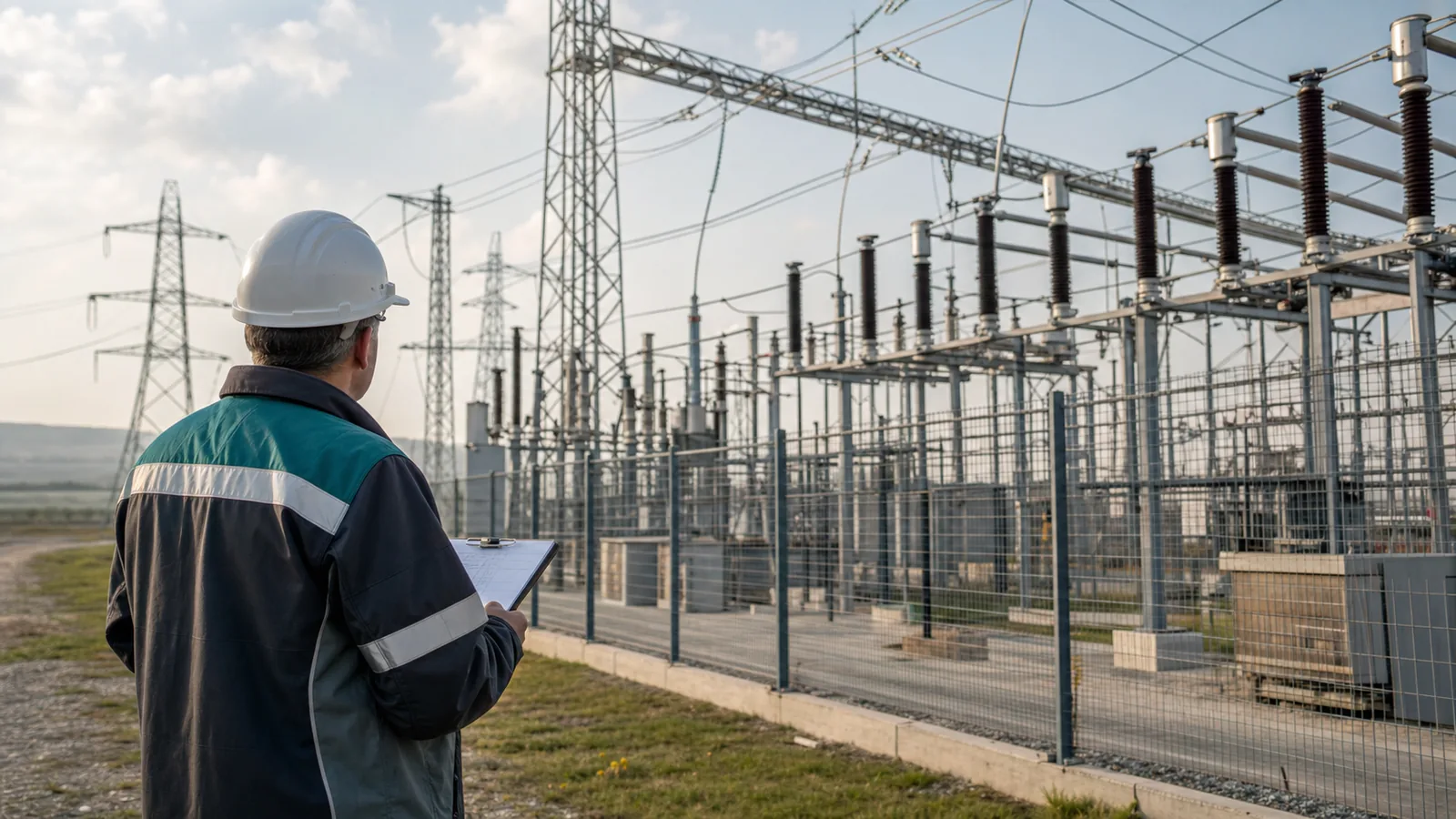
Grid disputes can concern a transmission operator, a distribution operator, an authority or a contractual counterparty. We identify the responsible entity and the source of the disputed obligation before assessing the available remedy.
ON THIS PAGE
02
A connection delay is becoming an investment problem.
The decision in front of you
An unresolved ATR, disputed connection condition or delayed network work can affect your construction programme, guarantees and acquisition milestones. The answer depends on both the technical record and the legal basis of the operator's position.
Our response
A clear position. A practical next step.
We rebuild the connection chronology, assess the operator's obligations and identify the appropriate contractual, regulatory or court route. We coordinate legal and technical input so correspondence and claims address the actual bottleneck.
03
What we do for you
We agree the depth of the review and the work needed for your decision. The scope can cover the following workstreams.
01
Identify the counterparty and obligation
Check who issued the ATR, signed the connection agreement, requested payment or refused a step. Transelectrica is not the defendant in every Romanian connection dispute. The contract, regulatory framework and specific conduct must be considered together.
02
ATR, connection agreement and delivery
Compare the connection study, ATR, agreement, amendments and project correspondence. Disagreements may concern technical assumptions, capacity, works, milestones, securities or the allocation of responsibility. A dated record helps distinguish a documented breach from an unresolved technical or evidential question.
03
Delay and commercial consequences
Map the alleged delay against the obligations of each party and the applicant's own deliverables. The assessment should address causation, mitigation, financing impact and notices required under the documents. Delay alone does not establish an entitlement to damages.
04
Connection costs and reimbursement
A recovery claim needs an identified payer, payee, payment, legal basis and evidence that the relevant conditions are met. Connection charges, works costs, contractual refunds and tax refunds are different claims. We assess the particular cost category before recommending a route.
05
Choose the appropriate route
The file may require correspondence, a contractual claim, an applicable ANRE dispute procedure or court proceedings. The correct route, parties, deadlines and available relief depend on the documents and current rules. Technical expert input may be needed alongside legal analysis.
04
How we move your matter forward
From instruction to delivery
Clear responsibilities, a documented position and actions tied to the next decision.
01
Reconstruct the connection file
We review the study, ATR, agreement, amendments, payments and operator correspondence.
02
Locate the disputed obligation
We distinguish technical dependencies from contractual or regulatory failures and assess the evidence.
03
Pursue the appropriate route
We support escalation, negotiation or proceedings while tracking project deadlines and guarantee exposure.
05
Start with the essentials
First conversation
ATR and connection study
Connection agreement and amendments
Invoices, guarantees and proof of payment
Works programme and correspondence
Evidence of delay and loss
Begin with a non-confidential summary and your timetable. We agree the document exchange after checking conflicts and the scope of the mandate.
06
Questions before you instruct us
Can every grid dispute be brought against Transelectrica?
No. Identify the relevant operator or authority and its obligation before selecting the parties and procedure.
Are connection costs always reimbursable?
No blanket entitlement should be assumed. Recovery depends on the applicable legal or contractual basis and the evidence for that cost category.